You constantly hear people complain that modern tech doesn’t last. The common consensus is
that we live in an era of built-in obsolescence, where plastics degrade, batteries swell, and internal components are engineered to give up the ghost the moment the warranty expires.
But what happens when your tech does last? What happens when you invest your hard-earned money in premium audio gear, look after it impeccably for over eleven years, and it physically works just as beautifully as the day you unboxed it—only for the manufacturer to ruin it anyway?
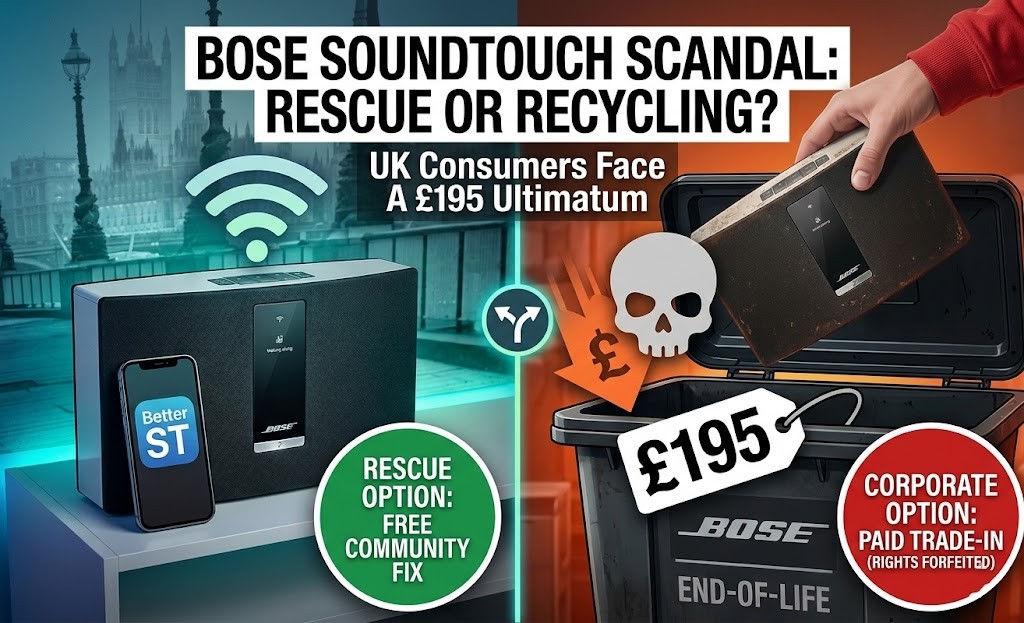
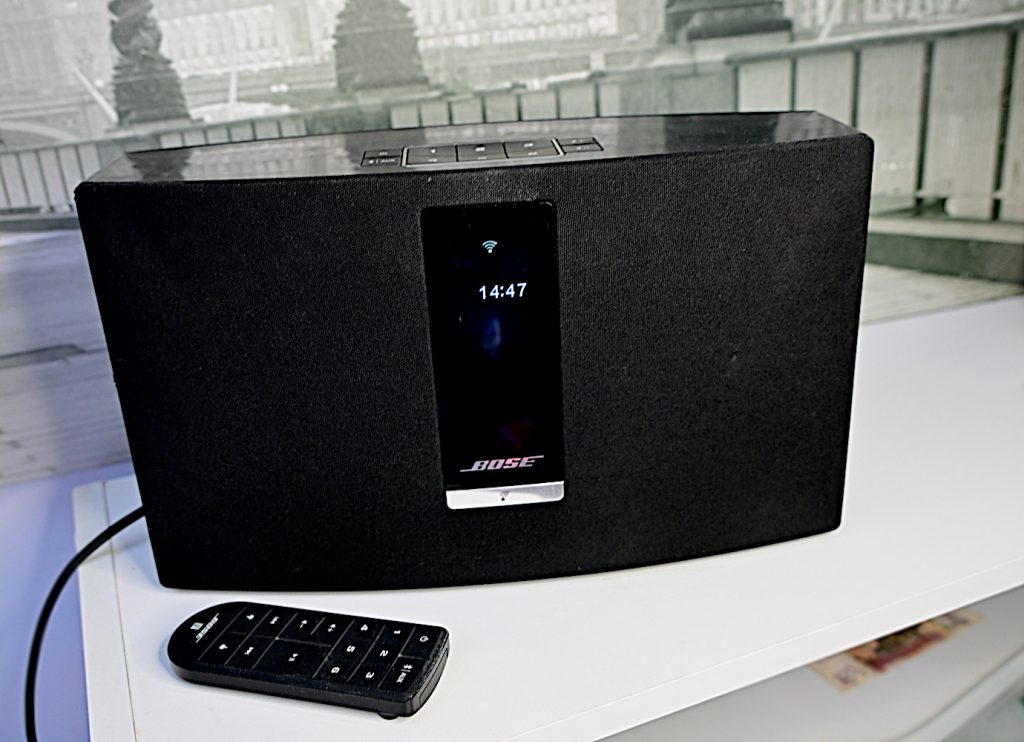
That is the exact frustrating reality I am facing with my Bose SoundTouch setup. It hasn’t broken down. It hasn’t suffered an electrical failure. Instead, it is being forced into early retirement by a corporate decision to shut down its underlying cloud infrastructure.
Killed by the Cloud
For more than a decade, my SoundTouch speakers have been flawless stalwarts of my home setup. The physical build quality is undeniable. The acoustic profiling still delivers the rich, crisp, room-filling sound you expect from a premium brand. It is an eleven-year-old survivor that proves hardware can endure when treated with care.
Yet, none of that physical resilience matters when a manufacturer decides to pull the digital plug. By disabling the essential cloud capabilities and software architecture that drove the ecosystem, Bose has effectively stripped a premium multi-room system of the very smart features people bought it for in the first place.
“We are transitioning from an era where your tech dies because a capacitor blew, to an era where
your tech dies because a board meeting decided maintaining the servers was no longer profitable.”
The speakers aren’t faulty. The drivers are pristine. The amplifiers are rock solid. But without server-side software support, multi-room synchronisation, native streaming integration, and app functionality collapse. A premium, high-end audio setup is instantly downgraded to a collection of highly basic, isolated auxiliary speakers. It is a digital execution of perfectly good hardware.
The Wider Crisis: Do We Ever Truly Own Our Tech?
This isn’t just a minor inconvenience for legacy users; it highlights a profound and growing problem
within the modern smart home ecosystem. We are moving into an alarming paradigm where consumer ownership is completely an illusion. When you buy connected hardware today, you aren’t just purchasing a physical asset; you are purchasing a temporary license to use a service that the manufacturer can revoke whenever they see fit.
If you buy an analogue high-fidelity speaker from the 1970s, it will continue to sing for fifty years as long as you treat it right. If you buy a modern multi-room internet-connected equivalent, its operational lifespan isn’t dictated by engineering quality—it is dictated by a corporate software roadmap.
When multi-billion-pound tech giants abandon server maintenance for older product lines, they don’t just alienate their most loyal, long-term brand advocates. They create massive mountains of unnecessary, highly preventable electronic waste. Perfectly functional electronics are rendered prematurely obsolete, forcing consumers back into the purchasing loop for no logical mechanical reason.
What Comes Next?
After over a decade of flawless audio service, the time has officially come when I am forced to upgrade.
Because of this digital shutdown, I have had to look elsewhere to keep my home audio system running
seamlessly.
I am currently filming a comprehensive, deep-dive breakdown on this entire situation for the channel. I’ll be exploring the ethical dilemma of software-defined expiration dates, detailing the exact fallout of the Bose infrastructure breakdown, and revealing the modern ecosystem I’ve chosen to bring in as a long-term replacement.
JOIN THE CONVERSATION
Keep your eyes peeled for the full investigative video dropping on @GadgetsHomeTech very soon. In
the meantime, I want to hear from you: What is the oldest piece of tech still surviving in your setup? And have you ever had a brilliant, flawless device completely ruined by a corporate software update? Let me know your thoughts in the comments section below. Community post here